New Delhi: The Kumbh Mela is currently being held in Prayagraj, one of the largest congregations of people on earth. Millions of people gather on the banks of the sacred rivers Ganga, Yamuna, and the invisible Saraswati. The Prayag Kumbh is also listed as an intangible cultural heritage by UNESCO.
The Kumbh Mela takes place every 12 years at four sacred locations—on the banks of the Ganga, Shipra, Godavari, and at the Triveni Sangam. This event is held in the four holy cities of Prayag, Haridwar, Ujjain, and Nasik, with its timing determined by astronomy and the position of the planets.
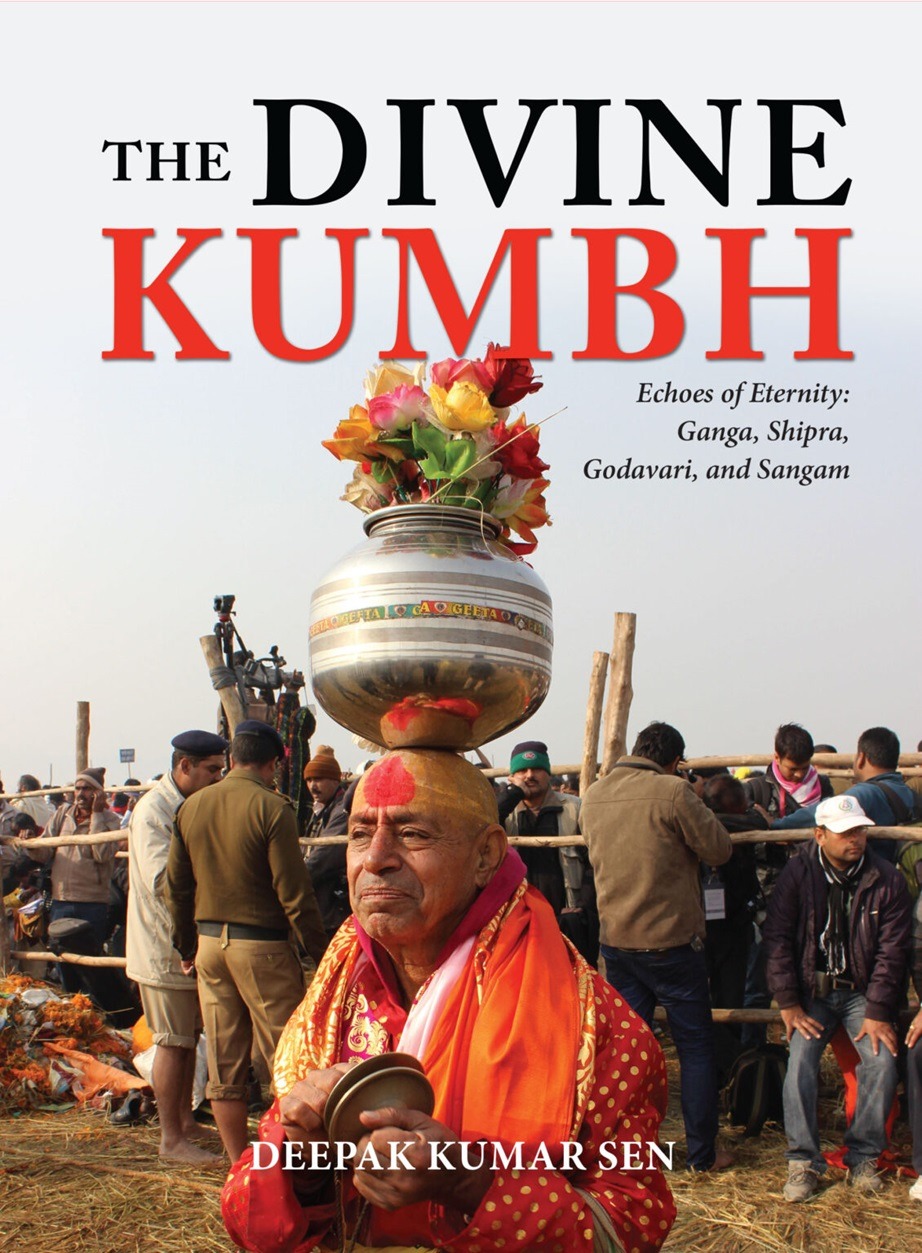
The pictorial book The Divine Kumbh, written by Deepak Kumar Sen and published by Niyogi Books, takes readers on a profound journey through the sacred Kumbh Melas. The book contains ten main chapters: History, Akhara, Naga, Moksha, Tilak, Royal Bath, Pilgrims, Tent City, and the New Age. Each chapter includes photographs to better illustrate the content, as the saying goes, “A picture is worth a thousand words.”
The origins of the Kumbh Mela are still unclear, as there is no authentic written history. This book explores the mythologies surrounding the Kumbh Mela from the perspectives of Hinduism, Buddhism, Jainism, and Sikhism.
“The idea for this book first came to me while covering the Prayag Maha Kumbh Mela in 2001. After that, I began working on this book in 2016, and there is only one word in my mind for this endeavor: a dream come true,” Sen said.
Sen acknowledges the invaluable contributions of his close friends and collaborators, saying, “I could not have completed The Divine Kumbh without my two dear friends, Sarvottamji M. Jaipuriar and Dr. Rajesh Tripathi. Both of them worked not only as supporters but also as co-authors, and together, the three of us completed this book.”
He also expressed immense gratitude toward the creative team behind the book: “I cannot describe in words the cooperation and support of photographer Abhimanyu Sharma and designer Sanjay Gupta.New Delhi: The Kumbh Mela is currently being held in Prayagraj, one of the largest congregations of people on earth. Millions of people gather on the banks of the sacred rivers Ganga, Yamuna, and the invisible Saraswati. The Prayag Kumbh is also listed as an intangible cultural heritage by UNESCO.
The Kumbh Mela takes place every 12 years at four sacred locations—on the banks of the Ganga, Shipra, Godavari, and at the Triveni Sangam. This event is held in the four holy cities of Prayag, Haridwar, Ujjain, and Nasik, with its timing determined by astronomy and the position of the planets.
The pictorial book The Divine Kumbh, written by Deepak Kumar Sen and published by Niyogi Books, takes readers on a profound journey through the sacred Kumbh Melas. The book contains ten main chapters: History, Akhara, Naga, Moksha, Tilak, Royal Bath, Pilgrims, Tent City, and the New Age. Each chapter includes photographs to better illustrate the content, as the saying goes, “A picture is worth a thousand words.”
The origins of the Kumbh Mela are still unclear, as there is no authentic written history. This book explores the mythologies surrounding the Kumbh Mela from the perspectives of Hinduism, Buddhism, Jainism, and Sikhism.
“The idea for this book first came to me while covering the Prayag Maha Kumbh Mela in 2001. After that, I began working on this book in 2016, and there is only one word in my mind for this endeavor: a dream come true,” Sen said.
Sen acknowledges the invaluable contributions of his close friends and collaborators, saying, “I could not have completed The Divine Kumbh without my two dear friends, Sarvottamji M. Jaipuriar and Dr. Rajesh Tripathi. Both of them worked not only as supporters but also as co-authors, and together, the three of us completed this book.”
He also expressed immense gratitude toward the creative team behind the book: “I cannot describe in words the cooperation and support of photographer Abhimanyu Sharma and designer Sanjay Gupta.
About Author
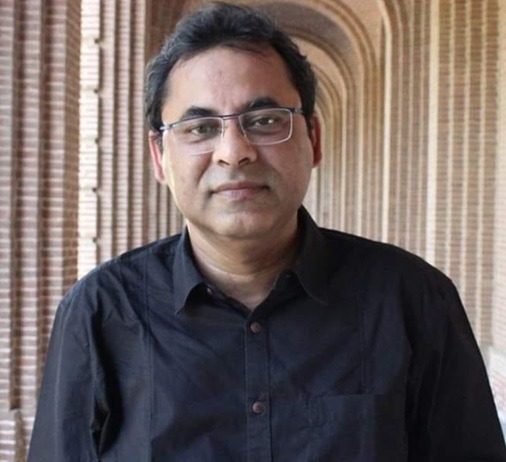
Deepak Kumar Sen is a senior journalist and professional photographer. He has worked with major media organizations such as The Press Trust of India, Dainik Jagran, and Sahara Samay, and is a regular columnist for various reputed newspapers. He produced a documentary titled Kumbh Ka Vigyan (The Science behind Kumbh) for Vigyan Prasar, a department of the Ministry of Science, which was featured at the annual film festival in 2015.
Currently, Deepak is involved in New Media and Digital Media as a mediapreneur. His hometown is Allahabad (now Prayagraj), with his home located near the Sangam. He holds a Master’s degree in History, a Master’s in Hindi Literature, and a Postgraduate Diploma in Journalism and Mass Communication.