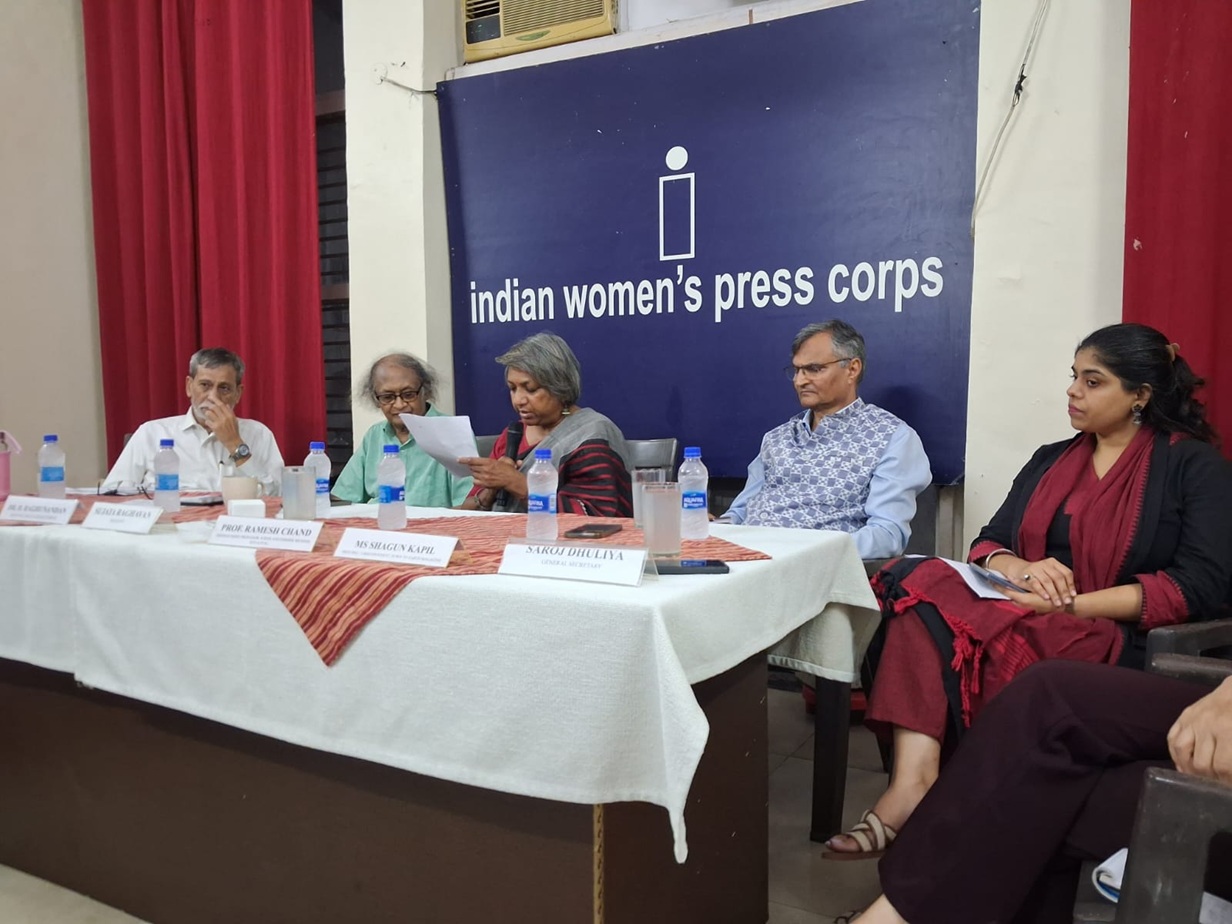
नई दिल्ली: हाल ही में इंडियन वुमन्स प्रेस कॉर्प्स (IWPC) क्लब में आयोजित एक पैनल चर्चा में पेट्रोल में 20 प्रतिशत एथनॉल मिलाने की E20 नीति के उपभोक्ताओं, किसानों, खाद्य सुरक्षा, पर्यावरण और अर्थव्यवस्था पर संभावित प्रभावों पर चर्चा हुई। विशेषज्ञों ने कहा कि E20 का असर केवल वाहनों और ईंधन तक सीमित नहीं है, बल्कि इसका संबंध देश की खेती, खाद्य व्यवस्था और भविष्य की ऊर्जा नीति से भी है।
दिल्ली साइंस फोरम के वैज्ञानिक और एक्टिविस्ट डॉ. डी. रघुनंदन ने कहा कि E20 से गाड़ियों का माइलेज कम हो सकता है और इंजन के कुछ हिस्सों पर भी असर पड़ सकता है। इससे वाहन की देखभाल और मरम्मत पर लोगों का खर्च बढ़ सकता है। उन्होंने कहा कि भारत में उपभोक्ताओं के पास E20 लेने या न लेने का विकल्प नहीं है। ऐसे में नीति बनाते समय वाहन मालिकों की राय भी ली जानी चाहिए।
किसानों पर इसके असर की बात करते हुए रघुनंदन ने कहा कि एथनॉल बनाने के लिए मक्का और चावल की मांग बढ़ी है। उन्होंने कहा कि भारत पहले मक्का का निर्यात करता था, लेकिन अब अमेरिका से मक्का आयात कर रहा है। उनके मुताबिक, एथनॉल नीति से खेती और बाजार की व्यवस्था में बदलाव आया है और इसका फायदा सभी किसानों को समान रूप से नहीं मिल रहा। उन्होंने यह भी कहा कि अगले 10-15 वर्षों में इलेक्ट्रिक वाहनों का इस्तेमाल तेजी से बढ़ सकता है। ऐसे में सरकार को ऐसी ईंधन नीति बनानी चाहिए जो लंबे समय तक उपभोक्ताओं के हित में हो।
ICRIER के प्रो. रमेश चंद, जो नीति आयोग के पूर्व सदस्य भी रहे हैं, ने कहा कि देश में चावल और चीनी का उत्पादन जरूरत से ज्यादा हो रहा है। उन्होंने बताया कि भारत में करीब चार करोड़ टन चावल का अतिरिक्त भंडार है। इसलिए फिलहाल देश में खाद्य सुरक्षा को लेकर कोई तत्काल खतरा नहीं है। उन्होंने कहा कि चावल की खेती में बहुत अधिक पानी लगता है और इससे पर्यावरण पर भी असर पड़ता है। ऐसे में खेती में बदलाव और दूसरी फसलों को बढ़ावा देने की जरूरत है। उन्होंने कहा कि सरकारी नीतियों के कारण कृषि बाजार में ऐसी स्थिति बनी है कि भारत के लिए कई कृषि उत्पादों का निर्यात करना भी मुश्किल हो गया है।
पूर्व कृषि एवं खाद्य प्रसंस्करण सचिव सिराज हुसैन ने एथनॉल नीति से किसानों को मिलने वाले फायदे को लेकर सरकार के दावों की जांच की जरूरत बताई। उन्होंने सुझाव दिया कि E20 को पूरे देश में एक साथ लागू करने के बजाय पहले कुछ क्षेत्रों में शुरू किया जाए और उसके नतीजे देखने के बाद आगे बढ़ा जाए। उन्होंने यह भी बताया कि इस साल चीनी के निर्यात पर रोक लगाई जाएगी।
चर्चा में Down To Earth की सीनियर जर्नलिस्ट शगुन कपिल ने भी हिस्सा लिया। पैनल में इस बात पर जोर दिया गया कि E20 को लागू करते समय उपभोक्ताओं, किसानों, खाद्य सुरक्षा और पर्यावरण—सभी पहलुओं को ध्यान में रखना जरूरी है।
E20 Policy: Discussion on Consumers, Farmers and Food Security
New Delhi: Recently, the Indian Women’s Press Corps (IWPC) Club hosted a panel discussion on the potential impact of the E20 policy, which involves blending 20% ethanol with petrol, on consumers, farmers, food security, the environment and the economy. Experts said the impact of E20 extends beyond vehicles and fuel, with wider implications for agriculture, the food system and the country’s future energy policy.
Dr D. Raghunandan, scientist and activist with the Delhi Science Forum, said E20 could reduce vehicle mileage and affect some engine components, potentially increasing vehicle maintenance and repair costs. He said consumers in India do not have the option of choosing whether or not to use E20 and that vehicle owners should therefore be consulted while framing such policies.
Speaking about its impact on farmers, Raghunandan said the demand for maize and rice had increased for ethanol production. He said India, which was earlier a maize exporter, is now importing maize from the US. According to him, the ethanol policy has brought changes in the agricultural and market systems, and its benefits are not reaching all farmers equally. He also said the use of electric vehicles could increase significantly over the next 10-15 years and stressed the need for a fuel policy that keeps the long-term interests of consumers in mind.
Prof Ramesh Chand, Distinguished Professor at ICRIER and former Member of NITI Aayog, said the country is producing more rice and sugar than it needs. He said India has around 40 million tonnes of surplus rice stocks and, therefore, there is no immediate threat to food security. He pointed out that rice cultivation consumes large amounts of water and also has environmental implications. He called for changes in cropping patterns and greater promotion of alternative crops. He also said distortions in agricultural markets have made it difficult for India to export several agricultural products.
Siraj Hussain, former Secretary, Ministry of Agriculture and Ministry of Food Processing, called for an investigation into government claims regarding the benefits received by farmers from the ethanol policy. He suggested that instead of implementing E20 across the country at one go, it could first be introduced in selected areas and expanded after assessing the results. He also said that sugar exports would be banned this year.
Shagun Kapil, Senior Journalist with Down To Earth, also participated in the discussion. The panel emphasised that while implementing E20, all aspects—including consumer interests, farmers, food security and the environment—need to be considered.